

The Moon in Bethulia
Malachite skeletons & Utah as water

Much of Utah used to be underwater. The Great Salt Lake is a remnant of Lake Bonneville, which at one point spanned 20,000 square miles and eventually receded to become the salty waters of our beloved Great Salt Lake. Red horn coral thrived in Utah waters long before Lake Bonneville (330 million years ago, approximately), and fossilized pieces of it are only found here and in Italy. I recently made a ring with my dad using a piece of coral from my great-great grandfather Amasa Merlin Steed’s collection.
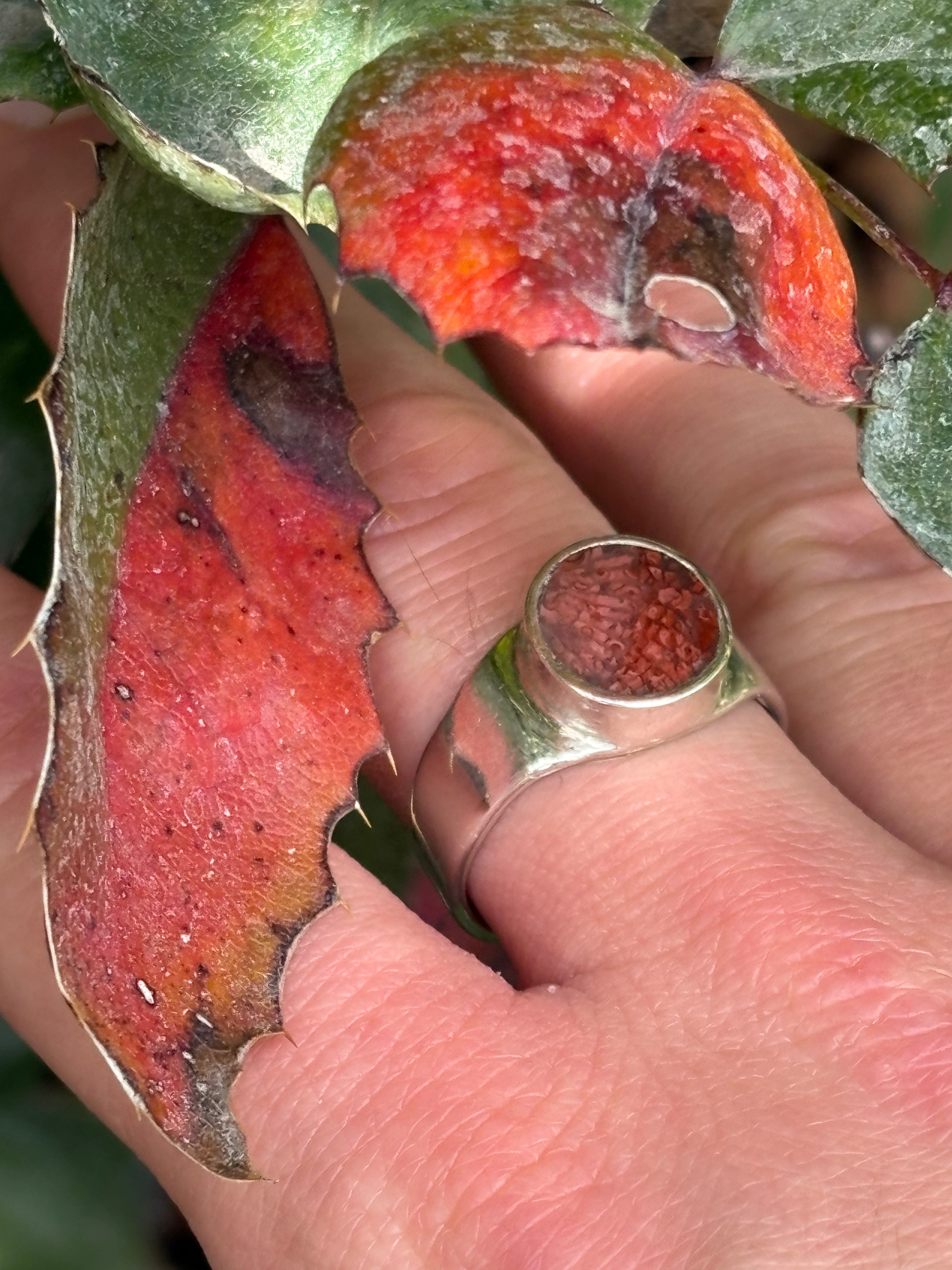
I love the way the organic lines of the coral match the wrinkles on my hands. It’s a beautiful and strangely comforting memento mori (reminder of death), a witness of the ever-changing nature of life on Earth. Looking at the ring makes me wonder if in 330 million years someone could be wearing a ring with a fossilized piece of me; while humans can fossilize, it’s extremely rare. In the 70’s, human skeletons were found in La Sal, Utah, that, while not fossilized, had been stained a nice turquoise color by malachite and copper.
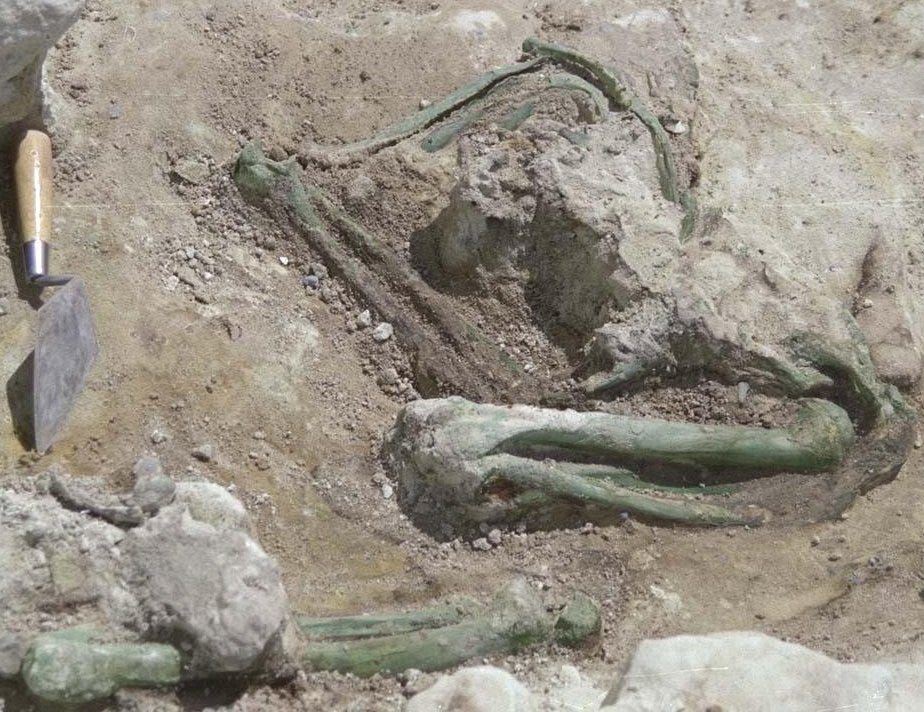
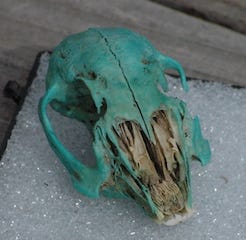
Since becoming a fossil might be too lofty a goal, maybe my skeleton being stained by malachite is the best I can hope for.
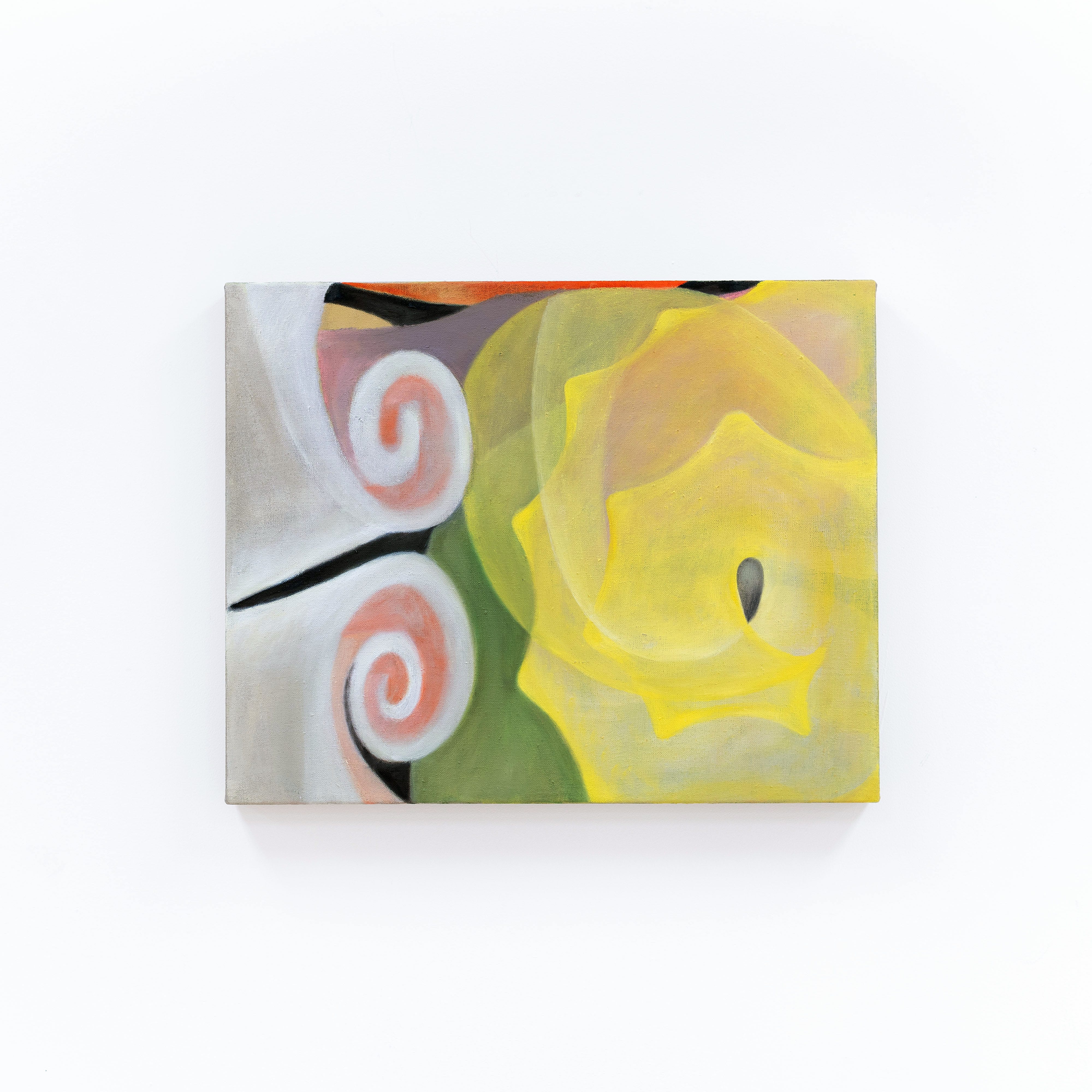
Somehow, fossilized coral and malachite-stained skeletons don’t feel dissimilar to Brooklynn Johnson’s art: the organic lines, the dried out colors, and the just-out-of-reach logic of forms that echo something natural and ancient that is slowly and constantly transforming.
UT Studio Visit 001: Brooklynn Johnson
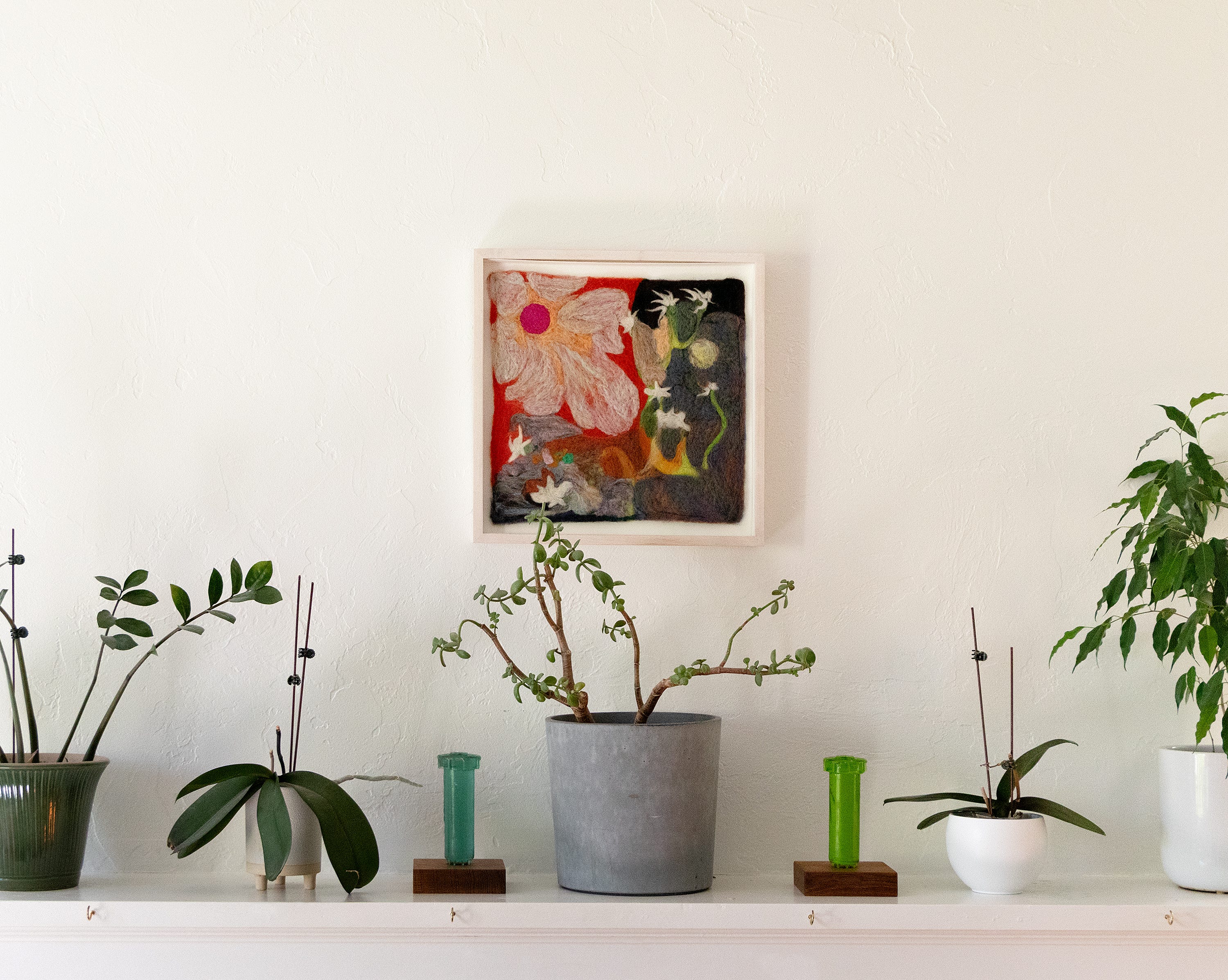
I’ve known Brooklynn since I was 15, when she was a student on a study abroad program my dad led in London and I was a quietly angsty wannabe skater. The title of this newsletter comes from a piece I bought a few years ago (seen in this email) so grab a studio snack, put on some good tunes (suggestions for both courtesy of Brooklynn), and read on.
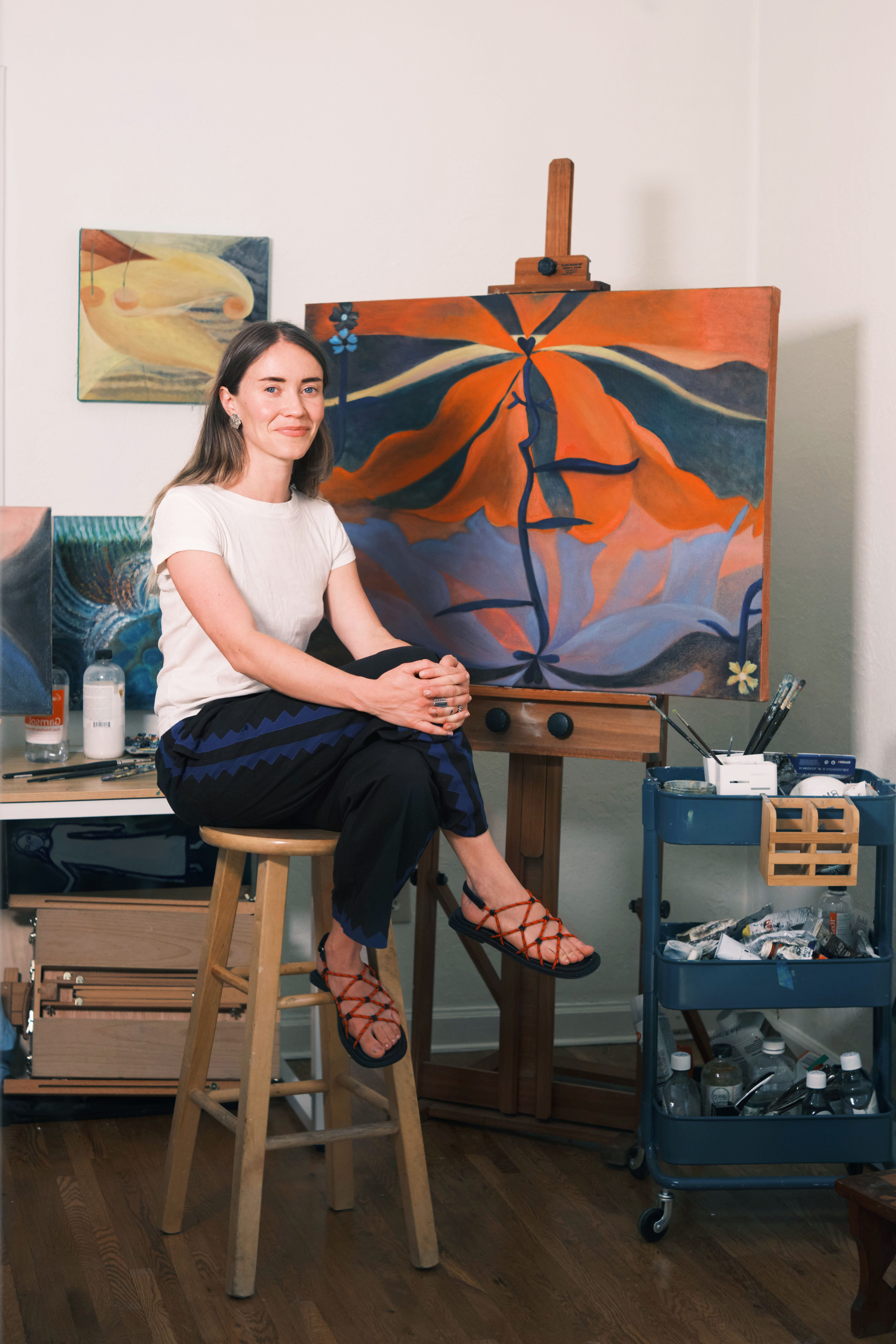
Artist bio
Brooklynn Johnson is an artist and educator working across multimedia painting, sculpture, and performance. She received an MFA from the University of California, Davis, and has participated in residencies including Casa Lu in Mexico City, Ali Yousefi Projects in Sacramento, and most recently, the Artist in Residence program at the Utah Museum of Contemporary Art. Her work has been shown in California, Oregon, New York, Utah, Washington, and Mexico City. Based in Salt Lake City, Brooklynn teaches children’s art classes through Summer Squash Studio and oil painting at Weber State University.
Artist statement
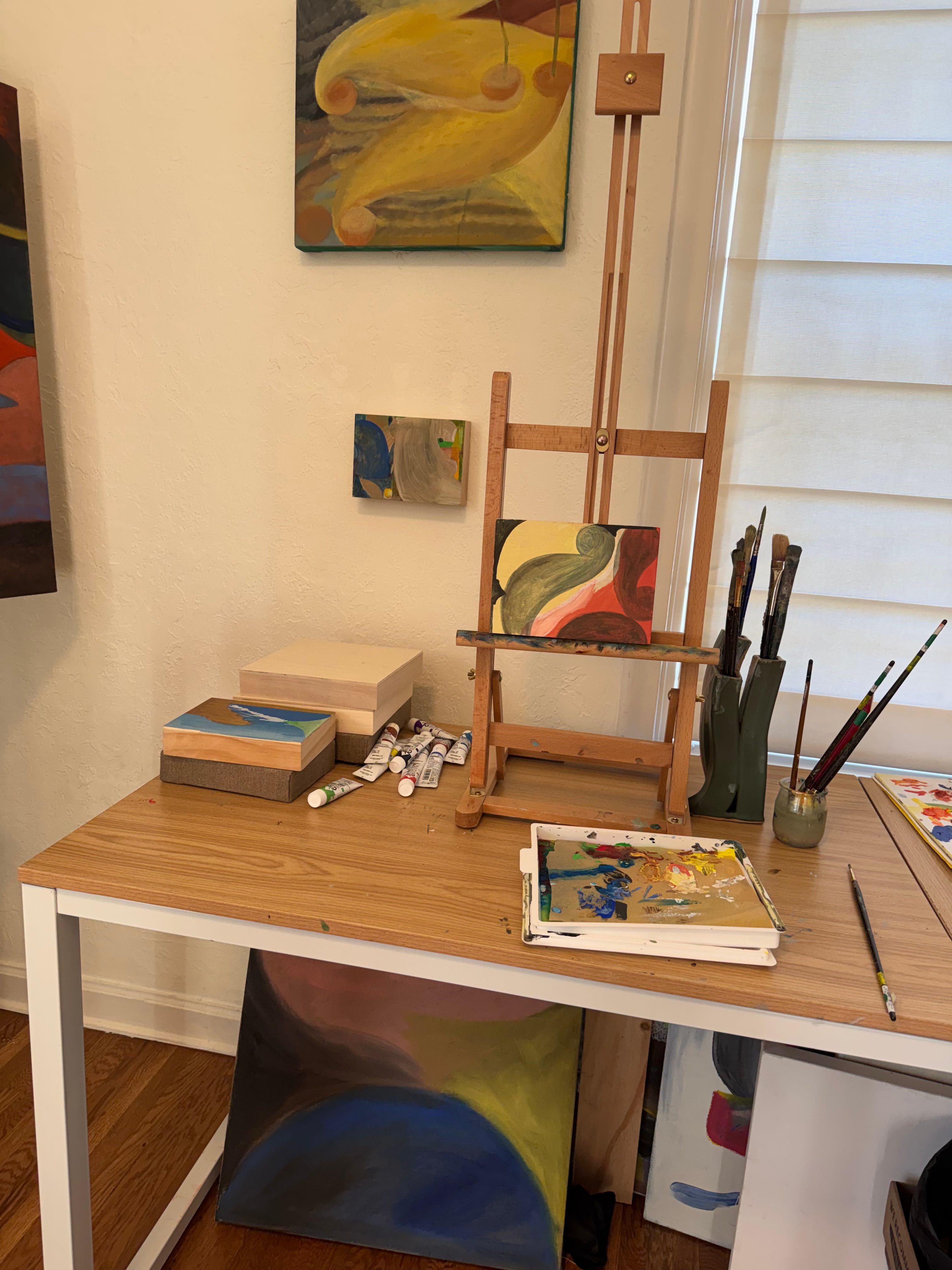
When I paint, I pull imagery from a personal lexicon of symbols. Shells, plant forms, hearts, volcanoes, and infinity signs emerge as familiar anchor points, each carrying layers of memory and meaning. As compositions develop, these images overlap, change color, stretch apart, and become hybrids. The resulting forms are mere suggestions of what they once were.
Like collecting fragments from sand, painting becomes an act of interpreting a whole that can no longer be seen in its original form. The paintings are an attempt to understand what remains when familiar things change, and to observe the new connections, meanings and messages that emerge when their edges blur.
Studio snack & song 001

(also on Apple Music)
Conversation with Brooklynn
What do you think your art is exploring?
At its core there’s this process of taking symbols that are meaningful to me and toying with them until they interact with each other and break apart. I think about it as a process of message building; almost like their connections compose new meaning or truth behind an image. I don’t know that images are inherently truthful or false, but maybe letting these symbols mesh with unexpected counterparts can help reveal something honest and fresh via their relationships that they can’t communicate on their own.
How much do you feel like knowing what your art is “about” matters?
I think it just depends. There needs to be a balance. If you worry too much about meaning and intention then it’s hard to experiment; it takes away a level of playfulness that you need in order to get somewhere. But paying attention to the patterns that keep repeating can help piece together an overarching story about the work and whatever it relates to. This can really make the act of making more spiritual.
I’m curious about how you used the word “spiritual”. Can you tell me about why you used it?
The value in something that’s impressionable to you can’t always be qualified or measured the way you’d measure a set of numbers, or a wavelength, or the weight of an object. There is an element that speaks to your personal history, to memory, family, interests, etc. I believe that what we are drawn to in art, whether it’s a certain color palette, or way of handling edges, or a particular type of imagery, comes from those personal and varied influences and connections, and is more embedded in the brain or the spirit. So, I think that when you make things and pay attention to the patterns that emerge, they come from this intuitive place that can’t be qualified or quantified in the same way that many other things can.
This is part 1 of 5 of Brooklynn’s studio visit—read part 2 next week and be sure to follow Brooklynn on Instagram or visit her website to see more.
Things I’m excited about:
8.3.26 Project Rest Stop portable gallery show opening at Will’s Canyon Stop
8.7.26 Greg Caldwell Friends of the Neighborhood show opening at Alma Gallery
8.7.26 Project Rest Stop show closing at Will’s Canyon Stop
8.14.26 Migration through the eyes of a Rufous Hummingbird at Books & Supply